Step Out of Bed Without That Stabbing Heel Pain
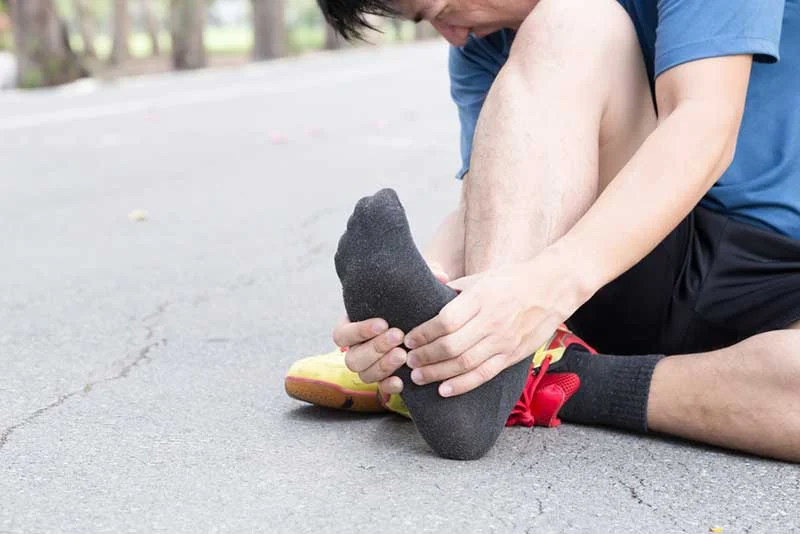
Heel spurs show up in at least half of people who have plantar fasciitis. They often cause sharp heel pain with the first steps of the morning or after sitting. At Henderson Podiatry, our podiatrists treat heel spurs for patients across Lancaster County at our Lancaster office on Millersville Road and our Willow Street office on Beaver Valley Pike. We start with nonsurgical care that calms the inflammation and gets you walking comfortably again. Most patients never need surgery.
request an appointmentWhat Is a Heel Spur?
A heel spur is a calcium deposit that forms a small, bony growth on the underside of the heel bone. It usually starts at the front of the heel and points toward the arch. Spurs develop slowly over months or years. Repeated strain on the plantar fascia and the muscles attached to the heel causes the body to lay down extra bone where that tissue pulls.
The spur itself is not always what hurts. Many people have heel spurs that never cause symptoms. The pain usually comes from inflammation in the soft tissue around the spur, which is why heel spurs and plantar fasciitis so often go hand in hand.
Common Causes and Risk Factors
- Repeated stress on the heel from running, jumping or standing on hard surfaces for long hours
- Long-term plantar fasciitis or tight calf muscles and Achilles tendons
- Flat feet, high arches or an abnormal walking pattern that overloads the heel
- Worn-out shoes or footwear with poor arch support
- Excess body weight, which adds pressure with every step
- Age, as the protective fat pad under the heel thins over time
Signs You May Have a Heel Spur
- Sharp, stabbing pain in the heel with your first steps in the morning
- Pain that eases with walking, then returns as a dull ache later in the day
- Tenderness on the bottom of the heel
- Pain after getting up from a seated position
- Swelling or warmth at the front of the heel
How We Diagnose Heel Spurs
Your visit starts with a conversation about your symptoms, activity level and footwear. Next, your podiatrist examines the foot to find exactly where it is tender. An X-ray confirms whether a spur is present and shows its size and position. This also helps us rule out other causes of heel pain, such as stress fractures or nerve irritation. If the pain is coming from somewhere else, our overview of heel pain causes explains other conditions we treat.
Heel Spur Treatment Options
In the past, heel spurs were often removed surgically. Today, surgery is rarely needed. Most patients find relief through a combination of conservative treatments:
- Rest, ice and activity changes to calm inflammation
- Stretching exercises for the calf and plantar fascia
- Anti-inflammatory medication to ease pain and swelling
- Supportive footwear and heel cushions
- Custom orthotics, including 3-D printed orthotics, to support the arch and take pressure off the heel
- Night splints that gently stretch the plantar fascia while you sleep
- MLS laser therapy to reduce pain and support healing
- Corticosteroid injections for stubborn inflammation
If several months of consistent conservative care don’t bring relief, your podiatrist will talk with you about whether surgery makes sense for your situation.
Preventing Heel Spur Pain From Returning
Once your heel feels better, a few habits help keep it that way. Replace athletic shoes when the cushioning wears down. Avoid going barefoot on hard floors. Keep stretching your calves. Wear your orthotics as recommended. Ease into new exercise routines gradually instead of increasing mileage or intensity all at once.
Questions Patients Ask About Heel Spurs
Are heel spurs and plantar fasciitis the same thing?
No, but they are closely related. Plantar fasciitis is inflammation of the band of tissue along the bottom of the foot. A heel spur is a bony growth on the heel bone. At least half of people with plantar fasciitis also have a heel spur, and treatment for the two conditions often overlaps.
Will my heel spur go away on its own?
The bony spur usually stays, but the pain often does not. Once the inflammation around the spur settles down with proper care, most patients can walk, work and exercise comfortably even though the spur is still there.
Do I need surgery to remove a heel spur?
Rarely. Most heel spurs respond well to conservative care such as stretching, orthotics, supportive shoes, laser therapy and injections. Surgery is only considered when months of consistent nonsurgical treatment have not relieved the pain.
How do you know if I have a heel spur?
Your podiatrist will examine your foot and review your symptoms. An X-ray is the most reliable way to confirm a heel spur. It also helps rule out other causes of heel pain, such as stress fractures.
Can orthotics help heel spur pain?
Yes. Custom orthotics support the arch, spread pressure more evenly across the foot and reduce the pull of the plantar fascia on the heel. For many patients, orthotics are one of the most effective long-term tools for keeping heel spur pain away.
How long does it take for heel spur pain to improve?
Many patients notice improvement within a few weeks of starting treatment. Full relief can take a few months, depending on how long the pain has been present and how consistently the treatment plan is followed.
Which office can I visit for heel spur treatment?
You can be seen at either of our offices. The Lancaster office is at 882 Millersville Road, (717) 291-0391. The Willow Street office is at 324 Beaver Valley Pike, (717) 464-5603. Both offer the same heel spur care.
Get Back on Your Feet Comfortably
Heel pain doesn’t have to be part of your morning routine. Schedule a visit with Henderson Podiatry at our Lancaster office at (717) 291-0391 or our Willow Street office at (717) 464-5603. We’ll find the source of your heel pain and build a treatment plan that fits your life.