
Get Back to Clear, Healthy-Looking Toenails
Toenails that are thick, yellow, crumbly or misshapen can make you hide your feet. They can also become painful in shoes. At Henderson Podiatry, our podiatrists find out what is changing your nails and treat the cause, from fungal infection to old injuries. We see patients at our Lancaster office on Millersville Road and our Willow Street office on Beaver Valley Pike.
request an appointmentWhat Makes Toenails Thick, Discolored or Deformed?
“Ugly nails” is not a medical diagnosis. It is how many patients describe nails that have changed in color, thickness or shape. Several problems can cause these changes, and each one is treated differently. That is why a proper exam matters before you spend money on store-bought remedies.
Toenail Fungus (Onychomycosis)
Fungal infection is the most common reason toenails look unhealthy. Common signs include:
- Yellow, brown or white discoloration
- Nails that get thicker over time
- Crumbly, brittle or ragged edges
- Debris building up under the nail, which can lift it from the nail bed
- A musty odor
Fungus thrives in warm, damp places such as shoes, locker rooms and pool decks. It often spreads from athlete’s foot on the skin to the nails.
Injury and Repeated Trauma
Stubbing a toe, dropping something on your foot, or years of tight shoes and running can damage the nail matrix where the nail grows. The nail may then grow back thick, ridged, curved or discolored. These nails can look like fungus even when no infection is present.
Other Causes
Psoriasis, poor circulation, diabetes and normal aging can all change how toenails grow. Thick nails are also harder to trim safely. Because of this, nail care for older adults and people with diabetes should be handled with extra attention.
How We Treat Ugly Toenails
Your podiatrist will examine the nail and, when needed, take a sample to confirm whether fungus is present. Your treatment plan may include one or more of the following:
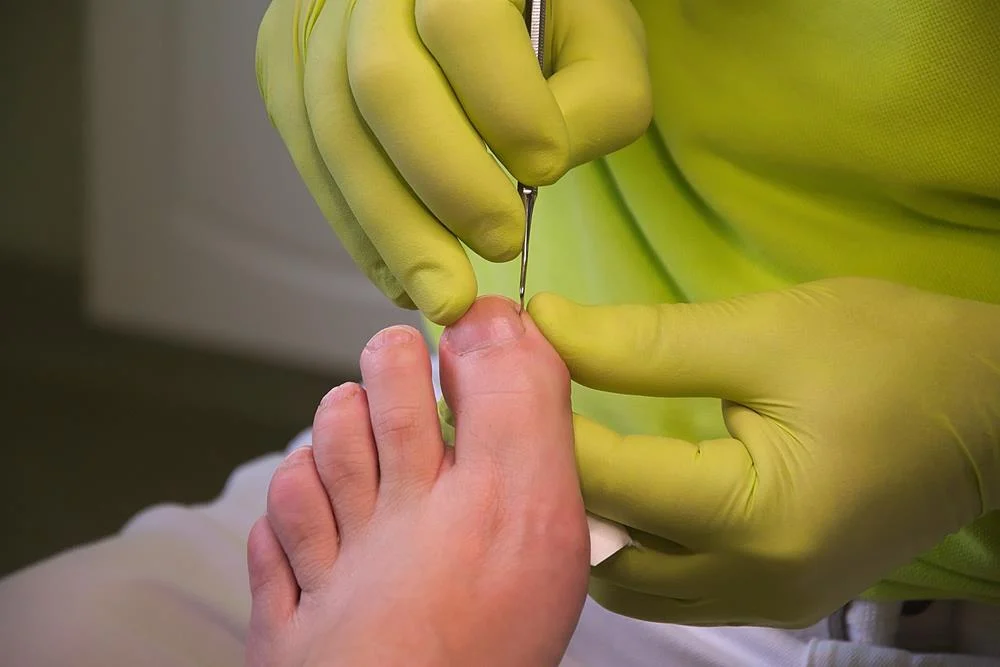
- Professional nail debridement: carefully thinning and trimming thick nails to relieve pressure and make other treatments work better.
- Topical medications: prescription solutions applied to the nail for mild to moderate fungal infections.
- Oral medications: prescription antifungal pills for more widespread infections, when they are appropriate for your health history.
- Laser therapy: our Lunula Laser is a painless, drug-free option that targets fungus without heat or downtime. Learn more about your options on our laser fungal nails page.
- Prevention guidance: tips on footwear, sock choice, shoe sanitizing and foot hygiene to help keep the infection from coming back.
Toenails grow slowly, so a clear nail takes time to grow out. Most patients see healthy nail growing in from the base first. A full replacement often takes 9 to 12 months.
When to See a Podiatrist
Make an appointment if your nails are getting thicker, if they hurt in shoes, if the skin around them is red or swollen, or if home treatments have not helped. If you have diabetes or poor circulation, do not wait. Even small nail problems can lead to bigger issues. Call our Lancaster office at (717) 291-0391 or our Willow Street office at (717) 464-5603.
Questions About Thick and Discolored Toenails
How do I know if my toenail has fungus or is just damaged?
Fungus and injury can look very similar. Both can cause thick, discolored or misshapen nails. A podiatrist can examine the nail and, if needed, test a small sample to confirm whether fungus is present before recommending treatment.
Will toenail fungus go away on its own?
Toenail fungus rarely clears up without treatment. It usually gets worse over time, with nails becoming thicker and more brittle. It can also spread to other nails or to the skin.
Do over-the-counter fungus treatments work?
Store-bought products may help mild surface infections, but they often cannot reach fungus under a thick nail. Professional treatment, including nail thinning, prescription medication or laser therapy, is usually more effective.
Is Lunula Laser treatment painful?
No. The Lunula Laser is a low-level, cool laser that does not heat the nail or skin. Patients sit comfortably during treatment and can walk out and return to normal activities right away.
How long does it take for an ugly toenail to look normal again?
Toenails grow slowly. After successful treatment, a clear nail has to grow out from the base, which often takes 9 to 12 months for the big toe. Improvement is usually visible at the base of the nail within a few months.
Can you trim thick toenails for me?
Yes. Our podiatrists can safely thin and trim thick or hard nails. This relieves pressure in your shoes and lowers the risk of cuts or infection, which is especially important for patients with diabetes or circulation problems.
How can I keep toenail fungus from coming back?
Keep your feet clean and dry, change your socks daily, rotate your shoes, wear sandals in public showers and locker rooms, and treat athlete’s foot promptly. Your podiatrist may also suggest sanitizing your shoes after treatment.
Ready to Show Off Your Feet Again?
Don’t keep hiding thick or discolored toenails. The podiatrists at Henderson Podiatry can find the cause and build a treatment plan that fits you. Schedule a visit at our Lancaster office at (717) 291-0391 or our Willow Street office at (717) 464-5603.