Take the Sting Out of Your First Steps Each Morning
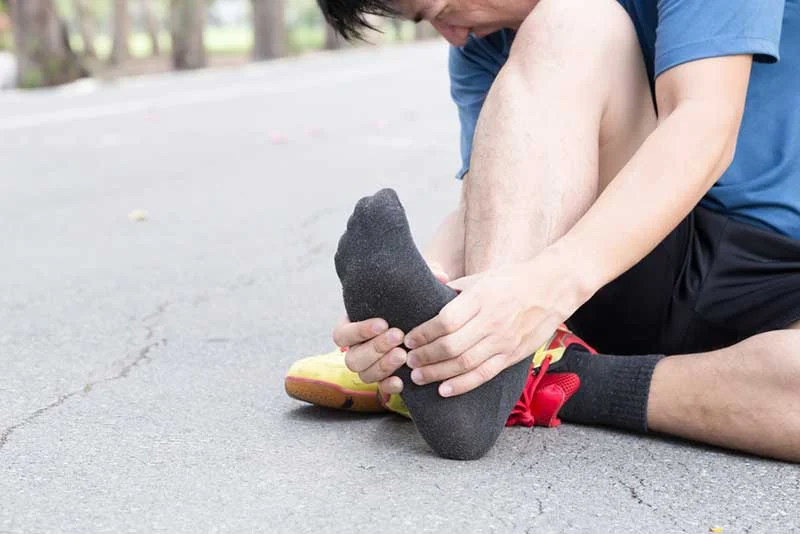
If the first steps out of bed feel like walking on a bruise, plantar fasciitis may be the cause. At Henderson Podiatry, our podiatrists treat this common source of heel and arch pain for patients throughout Lancaster County at our Lancaster and Willow Street offices. We look for what is straining the plantar fascia and build a plan to calm the inflammation and keep it from returning.
request an appointmentWhat Is Plantar Fasciitis?
The plantar fascia is a thick band of tissue that runs along the bottom of your foot from the heel to the ball of the foot. It supports your arch and absorbs shock with every step. When this band is overstretched or overloaded again and again, small tears and inflammation develop. The result is plantar fasciitis, one of the most common reasons adults see a podiatrist for heel pain.
Common Symptoms
- Sharp or stabbing pain at the bottom of the heel or along the arch
- Pain that is worst with the first steps in the morning or after sitting for a while
- Burning or tingling along the bottom of the foot
- Pain that eases with gentle movement but returns after long periods of standing or walking
- An uneven gait or limp as you try to keep weight off the heel
What Causes It?
Plantar fasciitis usually builds up over time rather than coming from a single injury. Common contributing factors include:
- Foot structure such as flat feet or very high arches
- Tight calf muscles or a tight Achilles tendon
- Shoes with poor arch support or worn-out cushioning
- Jobs that keep you on your feet on hard floors for hours
- A sudden jump in running, walking or exercise
- Weight gain, which adds load to the arch with every step
Some patients also develop heel spurs, bony growths where the plantar fascia attaches to the heel bone. Heel spurs and plantar fasciitis often occur together, and our podiatrists check for both during your exam.

How We Treat Plantar Fasciitis
Most patients improve with conservative care. After examining your foot, reviewing your gait and asking about your daily routine and footwear, our podiatrists may recommend a combination of:
- Targeted stretching exercises for the plantar fascia and calf muscles
- Supportive footwear and activity changes to reduce strain on the heel
- Custom orthotics, including 3-D printed orthotics, to support the arch and redistribute pressure
- MLS laser therapy, a drug-free option that helps reduce pain and inflammation
When Conservative Care Isn’t Enough
A small number of patients still have pain after months of consistent treatment. In those cases, our podiatrists will talk with you about additional options and whether foot surgery makes sense for your situation. Surgery is rarely the first step, and we will always explain the benefits, recovery time and alternatives before you decide.
Why Early Treatment Matters
Plantar fasciitis tends to get harder to treat the longer it goes on. Changing the way you walk to avoid heel pain can also put extra strain on your knees, hips and back. Getting checked early usually means a shorter recovery and less time sidelined from work, exercise and the activities you enjoy.
Two Convenient Offices in Lancaster County
You can be seen at either of our offices. Our Lancaster office at 882 Millersville Road is open Monday through Thursday, and our Willow Street office at 324 Beaver Valley Pike offers Wednesday evening hours and Friday appointments. Call Lancaster at (717) 291-0391 or Willow Street at (717) 464-5603.
Plantar Fasciitis FAQs
Why does plantar fasciitis hurt most in the morning?
While you sleep, the plantar fascia tightens and shortens. When you take your first steps, the tissue is suddenly stretched, which causes the sharp heel pain many patients describe. The same thing can happen after sitting for a long time.
How long does plantar fasciitis take to heal?
Many patients notice improvement within a few weeks of starting treatment, but full recovery often takes several months. Following your stretching routine, wearing supportive shoes and using orthotics as directed all help speed healing.
Can plantar fasciitis go away on its own?
Mild cases sometimes improve with rest and better shoes, but many linger or come back without proper treatment. Seeing a podiatrist helps identify the underlying cause so the problem doesn’t keep returning.
Do orthotics help plantar fasciitis?
Yes. Custom orthotics support the arch, reduce strain on the plantar fascia and correct foot mechanics that contribute to the problem. They are made from your foot’s exact shape, so they offer more targeted support than store-bought inserts.
What is MLS laser therapy and does it hurt?
MLS laser therapy uses specific wavelengths of light to help reduce pain and inflammation in the treated tissue. Sessions are quick and drug-free, and most patients feel little more than mild warmth during treatment.
Is plantar fasciitis the same as a heel spur?
No, but they are related. Plantar fasciitis is inflammation of the tissue along the bottom of the foot, while a heel spur is a bony growth on the heel bone. They often occur together, and our podiatrists evaluate for both.
Will I need surgery for plantar fasciitis?
Most patients do not. The large majority improve with conservative care such as stretching, orthotics, footwear changes and laser therapy. Surgery is only considered when pain continues after a thorough course of non-surgical treatment.
Get Back on Your Feet Without Heel Pain
You don’t have to dread getting out of bed. Schedule a visit with Henderson Podiatry at our Lancaster or Willow Street office, and let our podiatrists create a plantar fasciitis treatment plan that fits your feet and your routine. Have more questions? Visit our frequently asked questions page.